





Pronunciation: MAN-o-SPON-di-lus
Meaning: Porous vertebrae
Author/s: E.D. Cope (1892)
Synonyms: Not applicable
First Discovery: South Dakota, USA
Acta Ordinal: #
Manospondylus gigas
For such a dino-wiz, Edward Drinker Cope was a little absent-minded. He had a nasty habit of misplacing bones, particularly those from the spine, and he was up to his old tricks again in 1892 when one of two decrepit and oddly honey-combed vertebrae belonging to Manospondylus gigas (which he thought was an "agathaumid" [ceratopsid] dinosaur) went missing.
There were murmurings from the world of palaeontology by none other than Henry Fairfield Osborn as early as 1917 regarding the similarity of its remaining fossil to those of a certain Cretaceous-aged predator, but no one took a blind bit of notice. Perhaps they thought it was too fragmentary to be diagnostic, though valid taxa have been based on less. The plot thickens.
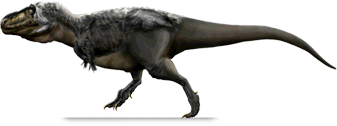
In June 2000, the Black Hills Institute managed to pinpoint the exact location of the original Manospondylus discovery, found 10% of a skeleton, and realised that it was identical to fossils belonging to... Tyrannosaurus rex! By strict letter of the ICZN's own law, the name Manospondylus should take priority because it was officially described a full 13 years before T.rex. But the establishment managed to neatly side-step any awkward questions regarding synonymity long enough to come up with a ruling which put all naming issues to bed. Forever.
As of the 1st of January 2000, a dinosaur presumed valid in at least 25 works and published by 10 authors over a period of 50 years cannot be replaced by one that was considered invalid (due to diagnostic issues, for example) during that time. Ergo, the Tyrant Lizard King is fully protected for all time, and its only worries now are those who are on a mission to tar it with the scavenger brush or share its fossils with other tyrannosaurine species. Oh, and bootleg biologist Jeff Mello, who has taken to swabbing its lower legs in an attempt to trap prehistoric wild yeast for use in homebrew beer.
There were murmurings from the world of palaeontology by none other than Henry Fairfield Osborn as early as 1917 regarding the similarity of its remaining fossil to those of a certain Cretaceous-aged predator, but no one took a blind bit of notice. Perhaps they thought it was too fragmentary to be diagnostic, though valid taxa have been based on less. The plot thickens.
In June 2000, the Black Hills Institute managed to pinpoint the exact location of the original Manospondylus discovery, found 10% of a skeleton, and realised that it was identical to fossils belonging to... Tyrannosaurus rex! By strict letter of the ICZN's own law, the name Manospondylus should take priority because it was officially described a full 13 years before T.rex. But the establishment managed to neatly side-step any awkward questions regarding synonymity long enough to come up with a ruling which put all naming issues to bed. Forever.
As of the 1st of January 2000, a dinosaur presumed valid in at least 25 works and published by 10 authors over a period of 50 years cannot be replaced by one that was considered invalid (due to diagnostic issues, for example) during that time. Ergo, the Tyrant Lizard King is fully protected for all time, and its only worries now are those who are on a mission to tar it with the scavenger brush or share its fossils with other tyrannosaurine species. Oh, and bootleg biologist Jeff Mello, who has taken to swabbing its lower legs in an attempt to trap prehistoric wild yeast for use in homebrew beer.


