









Pronunciation: so-NOR-a-SOR-us
Meaning: Sonora Desert lizard
Author/s: Ratkevich (1998)
Synonyms: None known
First Discovery: Arizona, USA
Acta Ordinal: #440
Sonorasaurus thompsoni
The preliminary classification of Sonorasaurus was based on fragmentary, unprepared skeletal elements, leading to wild and varied opinions. Ratkovich thought it was a sauropod, E.H. Colbert suggested an affinity with hadrosaurs in 1995 for no apparent reason, and later the same year D.W. Thayer thought it was a therizinosaur based on a huge hand claw... that turned out to be a chevron. After later research, it was back to being a sauropod, the first sauropod known from the Middle Cretaceous of North America, no less, and probably a brachiosaurid, although a fairly unspectacular one with an estimated length of 15 meters, which is about half the size of Brachiosaurus.
Sonorasaurus is poorly preserved, and only 30% complete despite 100 tons of muck being shifted from its dig site over five years, and although it's been known for over a decade as of 2008 it's still more famous for an attempt to gatecrash Arizona's "official state dinosaur" party. At the request of a nine-year-old child, Senator John Huppenthal introduced a bill proposing that Dilophosaurus be installed as Arizona's official dinosaur. However, Southern Arizona's legislators, peeved that Dilophosaurus was not unique to Arizona and the fossils found there had been carted off to California, wanted Sonorasaurus. Huppenthal pulled out his box of tricks and suggested a diplomatic solution whereby both dinosaurs would represent Arizona. Unfortunately, at the U.S. House of Representatives, a vote was whip-blocked, and Arizona was left with no state dinosaur at all. In 2018, Sonorasaurus was finally victorious, mostly because Dilophosaurus had been sworn in as Connecticut's official state dinosaur in July of the previous year. Everyone rejoiced, apart from the trailblazing thyreophoran Scutellosaurus, which is also unique to Arizona and was represented by five dozen wonderful specimens by this point.
Sonorasaurus is poorly preserved, and only 30% complete despite 100 tons of muck being shifted from its dig site over five years, and although it's been known for over a decade as of 2008 it's still more famous for an attempt to gatecrash Arizona's "official state dinosaur" party. At the request of a nine-year-old child, Senator John Huppenthal introduced a bill proposing that Dilophosaurus be installed as Arizona's official dinosaur. However, Southern Arizona's legislators, peeved that Dilophosaurus was not unique to Arizona and the fossils found there had been carted off to California, wanted Sonorasaurus. Huppenthal pulled out his box of tricks and suggested a diplomatic solution whereby both dinosaurs would represent Arizona. Unfortunately, at the U.S. House of Representatives, a vote was whip-blocked, and Arizona was left with no state dinosaur at all. In 2018, Sonorasaurus was finally victorious, mostly because Dilophosaurus had been sworn in as Connecticut's official state dinosaur in July of the previous year. Everyone rejoiced, apart from the trailblazing thyreophoran Scutellosaurus, which is also unique to Arizona and was represented by five dozen wonderful specimens by this point.
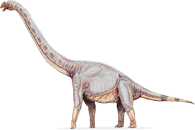
(Richard Thomson's Sonora Lizard)Etymology
Sonorasaurus is derived from the Hispanacized Opata Indian word "Sonora" (referring to the Sonora river, but here expanded to refer to the Sonoran Desert area, where it was discovered), and the Greek "sauros" (lizard). Since it was found in a part of the Sonoran Desert called Chihuahua, Ronald Ratkevich originally considered naming it "Chihuahuasaurus" but couldn't stand the thought of the inevitable, cheesey tabloid "Chihuahua" gags so decided against it. We'll bet Paris Hilton was, like, soooo disappointed. The species epithet, thompsoni (TOMP-son-ie), is named for geology student Richard Thompson.
Discovery
The holotype of Sonorasaurus (ASDM 500) was discovered in the Turney Ranch Formation (Bisbee Group), in the southwestern foothills of the Whetstone Mountains, Cochise County, southern Arizona, by Richard Thompson in 1994. Only 30% of the beast was discovered, with gouge marks on its poorly preserved bones and an Acrocanthosaurus tooth found mingled with the remains perhaps explaining where the missing bits ended up!
Associated with the remains were "a number of irregularly rounded, polished quartzite and chert cobbles" that were tenatively identified as gastroliths.


