Pronunciation: thee-ROH-po-duh
Author: Othniel Charles Marsh
Year: 1881
Meaning: Beast feet (See etymology)
Locomotion: Bipedal (2 legs)
Synonyms:
Goniopoda ("angled feet"). E.D.Cope, 1866
[Sereno, 2005]Definition
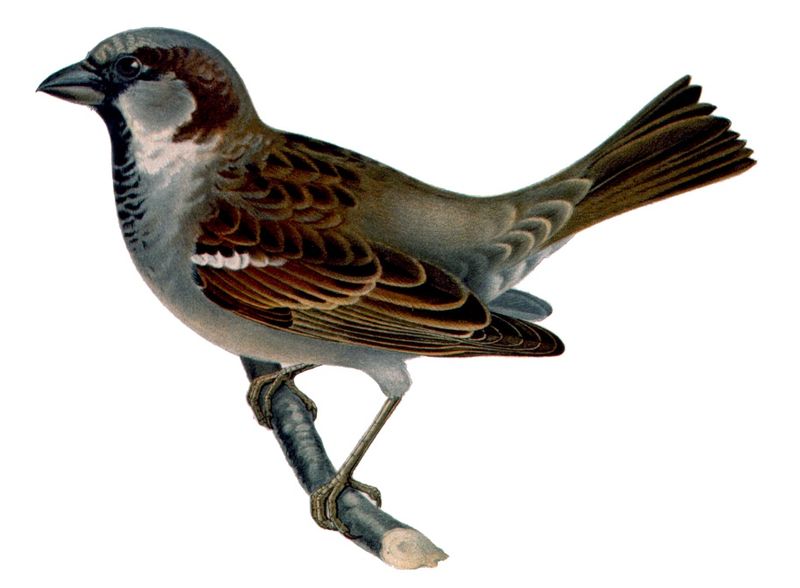
The most inclusive clade containing Passer domesticus (House Sparrow) but not Saltasaurus loricatus.
About
Theropoda first appears in the Late Triassic as a small, lightly built branch of the saurischian family tree, sketching the rough outline of a body plan that would be reworked and reinvented over the next 230 million years. In their earliest chapters, these small predators lived in the shadows of a world ruled by rauisuchians — massive, deep-skulled archosaurs that dominated the top of the food chain. Even so, the earliest theropods already show the essentials of the group: blade-edged teeth, grasping forelimbs, hollow long bones, and an agile frame. The first hints of air?sac–driven cavities also begin to appear, foreshadowing the extensive pneumatic skeletons of later forms.
By the Early Jurassic, had split into several lineages, each exploring a different predatory niche.
As the group expands, Theropoda becomes a study in contrasts — speed and stability, precision and power, grasping and slashing. Their diversity is remarkable: from the fleet-footed ornithomimosaurs and colossal, bone-crushing tyrannosaurids to single-fingered alvarezsaurids, crampon-clawed dromaeosaurs, and tiny troodontids pushing sensory acuity to new extremes. Feather-like coverings appear early within coelurosaurian theropods and spread widely, first as insulation, then as display, and eventually as aerodynamic surfaces. Forelimbs shrink in some lineages and become highly specialised in others. Diets broaden too: while many remain carnivores, others shift toward herbivory, piscivory, or omnivory, producing oddities such as therizinosaurs, halszkaraptorines, and oviraptorids. Theropoda is not a monolith but a restless, ever-adapting lineage constantly testing the limits of its own anatomy.
By the Late Cretaceous, the clade stands at its zenith, dominating predatory niches on every continent and producing some of the most iconic dinosaurs in the fossil record. Their decline at the K–Pg boundary is sudden and catastrophic, but the clade's story does not end there. One lineage — small, warm-blooded, and already thriving in niches closed to others — survives. These were the birds, the living theropods, whose global radiation after the extinction event becomes one of the Cenozoic's great evolutionary success stories. Today, with more than 10,000 species, birds are the most diverse group of terrestrial vertebrates on Earth. Theropoda's legacy is therefore twofold: the charismatic giants that shaped Mesozoic ecosystems, and the living descendants that fill our skies, forests, and coastlines. No other dinosaurian lineage leaves a legacy so visible, so audible, or so enduring.
Click here to view Dinochecker's A-Z list of theropods.
As the group expands, Theropoda becomes a study in contrasts — speed and stability, precision and power, grasping and slashing. Their diversity is remarkable: from the fleet-footed ornithomimosaurs and colossal, bone-crushing tyrannosaurids to single-fingered alvarezsaurids, crampon-clawed dromaeosaurs, and tiny troodontids pushing sensory acuity to new extremes. Feather-like coverings appear early within coelurosaurian theropods and spread widely, first as insulation, then as display, and eventually as aerodynamic surfaces. Forelimbs shrink in some lineages and become highly specialised in others. Diets broaden too: while many remain carnivores, others shift toward herbivory, piscivory, or omnivory, producing oddities such as therizinosaurs, halszkaraptorines, and oviraptorids. Theropoda is not a monolith but a restless, ever-adapting lineage constantly testing the limits of its own anatomy.
By the Late Cretaceous, the clade stands at its zenith, dominating predatory niches on every continent and producing some of the most iconic dinosaurs in the fossil record. Their decline at the K–Pg boundary is sudden and catastrophic, but the clade's story does not end there. One lineage — small, warm-blooded, and already thriving in niches closed to others — survives. These were the birds, the living theropods, whose global radiation after the extinction event becomes one of the Cenozoic's great evolutionary success stories. Today, with more than 10,000 species, birds are the most diverse group of terrestrial vertebrates on Earth. Theropoda's legacy is therefore twofold: the charismatic giants that shaped Mesozoic ecosystems, and the living descendants that fill our skies, forests, and coastlines. No other dinosaurian lineage leaves a legacy so visible, so audible, or so enduring.
Click here to view Dinochecker's A-Z list of theropods.
Etymology
Theropoda is derived from the Greek "ther" (beast of prey, wild beast) and "pod-" (foot).
Relationships
References
• Marsh OC (1881) "Principal characters of American Jurassic dinosaurs. Part V".  American Journal of Science. s3-21(125): 417–423. DOI: 10.2475/ajs.s3-21.125.417 [coins Theropoda.]
• Marsh OC (1884) "Principal characters of American Jurassic dinosaurs, Part 8: The Order Theropoda". American Journal of Science, 27(160): 29–40. DOI: 10.2475/ajs.s3-27.160.329
• Rauhut OWM (2003) "Special Papers in Palaeontology, The Interrelationships and Evolution of Basal Theropod Dinosaurs (No. 69)".
• Molina-Pérez R and Larramendi A (2019) "The Encyclopedia of Dinosaurs: The Theropods" [Dinosaur Facts and Figures: The Theropods and Other Dinosauriformes].
• Qin Z, Liao CC, Benton MJ and Rayfield EJ (2023) "Functional space analyses reveal the function and evolution of the most bizarre theropod manual unguals".
Communications Biology, 6(181).
DOI: 10.1038/s42003-023-04552-4.
• Lei R, Tschopp E, Hendrickx C, Wedel MJ, Norell MA and Hone DWE (2023) "Bite and tooth marks on sauropod dinosaurs from the Morrison Formation". PeerJ, 11: e16327.
DOI: 10.7717/peerj.16327.
• Rowe AJ and Rayfield EJ (2025)
"Carnivorous dinosaur lineages adopt different skull performances at gigantic size".
Current Biology, 35(15): 3664-3673.e3.
DOI: 10.1016/j.cub.2025.06.051.
• Schere CR, Steell E and Upchurch P (2026) "Drivers and mechanisms of convergent forelimb reduction in non-avian theropod dinosaurs".
Proceedings of the Royal Society B: Biological Sciences, 293(2071): 20260528.
DOI: 10.1098/rspb.2026.0528.
• Jiménez-Villalón S, Guajardo-Pezo F, Narváez M, Smith-Paredes D, Kohlsdorf T, Botelho JF and Vargas AO (2026) "Embryos resolve the enigmatic origin of the theropod wishbone".
Science Advances, 12(41): eaeh7555.
DOI: 10.1126/sciadv.aeh7555.
American Journal of Science. s3-21(125): 417–423. DOI: 10.2475/ajs.s3-21.125.417 [coins Theropoda.]
• Marsh OC (1884) "Principal characters of American Jurassic dinosaurs, Part 8: The Order Theropoda". American Journal of Science, 27(160): 29–40. DOI: 10.2475/ajs.s3-27.160.329
• Rauhut OWM (2003) "Special Papers in Palaeontology, The Interrelationships and Evolution of Basal Theropod Dinosaurs (No. 69)".
• Molina-Pérez R and Larramendi A (2019) "The Encyclopedia of Dinosaurs: The Theropods" [Dinosaur Facts and Figures: The Theropods and Other Dinosauriformes].
• Qin Z, Liao CC, Benton MJ and Rayfield EJ (2023) "Functional space analyses reveal the function and evolution of the most bizarre theropod manual unguals".
Communications Biology, 6(181).
DOI: 10.1038/s42003-023-04552-4.
• Lei R, Tschopp E, Hendrickx C, Wedel MJ, Norell MA and Hone DWE (2023) "Bite and tooth marks on sauropod dinosaurs from the Morrison Formation". PeerJ, 11: e16327.
DOI: 10.7717/peerj.16327.
• Rowe AJ and Rayfield EJ (2025)
"Carnivorous dinosaur lineages adopt different skull performances at gigantic size".
Current Biology, 35(15): 3664-3673.e3.
DOI: 10.1016/j.cub.2025.06.051.
• Schere CR, Steell E and Upchurch P (2026) "Drivers and mechanisms of convergent forelimb reduction in non-avian theropod dinosaurs".
Proceedings of the Royal Society B: Biological Sciences, 293(2071): 20260528.
DOI: 10.1098/rspb.2026.0528.
• Jiménez-Villalón S, Guajardo-Pezo F, Narváez M, Smith-Paredes D, Kohlsdorf T, Botelho JF and Vargas AO (2026) "Embryos resolve the enigmatic origin of the theropod wishbone".
Science Advances, 12(41): eaeh7555.
DOI: 10.1126/sciadv.aeh7555.
American Journal of Science. s3-21(125): 417–423. DOI: 10.2475/ajs.s3-21.125.417 [coins Theropoda.]
• Marsh OC (1884) "Principal characters of American Jurassic dinosaurs, Part 8: The Order Theropoda". American Journal of Science, 27(160): 29–40. DOI: 10.2475/ajs.s3-27.160.329
• Rauhut OWM (2003) "Special Papers in Palaeontology, The Interrelationships and Evolution of Basal Theropod Dinosaurs (No. 69)".
• Molina-Pérez R and Larramendi A (2019) "The Encyclopedia of Dinosaurs: The Theropods" [Dinosaur Facts and Figures: The Theropods and Other Dinosauriformes].
• Qin Z, Liao CC, Benton MJ and Rayfield EJ (2023) "Functional space analyses reveal the function and evolution of the most bizarre theropod manual unguals".
Communications Biology, 6(181).
DOI: 10.1038/s42003-023-04552-4.
• Lei R, Tschopp E, Hendrickx C, Wedel MJ, Norell MA and Hone DWE (2023) "Bite and tooth marks on sauropod dinosaurs from the Morrison Formation". PeerJ, 11: e16327.
DOI: 10.7717/peerj.16327.
• Rowe AJ and Rayfield EJ (2025)
"Carnivorous dinosaur lineages adopt different skull performances at gigantic size".
Current Biology, 35(15): 3664-3673.e3.
DOI: 10.1016/j.cub.2025.06.051.
• Schere CR, Steell E and Upchurch P (2026) "Drivers and mechanisms of convergent forelimb reduction in non-avian theropod dinosaurs".
Proceedings of the Royal Society B: Biological Sciences, 293(2071): 20260528.
DOI: 10.1098/rspb.2026.0528.
• Jiménez-Villalón S, Guajardo-Pezo F, Narváez M, Smith-Paredes D, Kohlsdorf T, Botelho JF and Vargas AO (2026) "Embryos resolve the enigmatic origin of the theropod wishbone".
Science Advances, 12(41): eaeh7555.
DOI: 10.1126/sciadv.aeh7555.